Choose Trixie tofu clumping cat litter: eco-friendly, biodegradable, and ultra-absorbent. It naturally neutralizes...
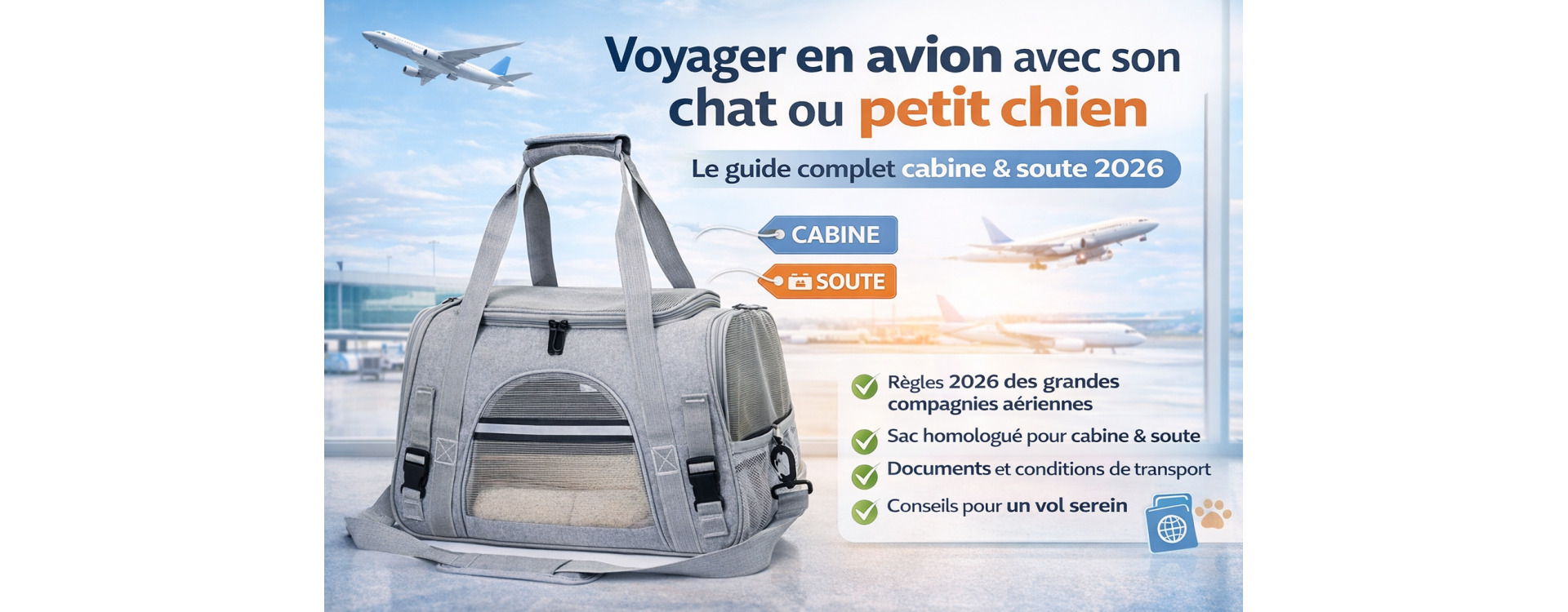
Flying with your cat or dog: the complete 2026 guide to cabin and hold
🐾 THE COMPLETE GUIDE TO FLYING WITH YOUR CAT OR YOUR DOG
Travelling with your pet can be an extraordinary adventure, but it calls for careful preparation. This guide takes you through it step by step, explaining the travel options (cabin or hold) and the requirements of the airlines you are most likely to fly.
The container decides the journey
Check the dimensions with the airline before buying: "approved" means nothing without the figure.
- Air travel — the models designed for the cabin
- Transport crates — the only one accepted in the hold, and the only safe one in a car
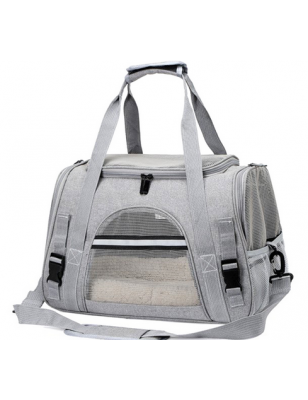
- Carrier bags — cat and small dog, short journeys
- Calming solutions — plug the diffuser in a week ahead, not the night before
- Car and bike — safety harness, never clipped to the collar
- Travel — the full department
✈️ 1. The options for getting your pet there
There are two main ways:
- In the cabin: if the animal + the bag weigh ≤ 8 kg. It stays with you, under the seat.
- In the hold: if the animal is too large or too heavy, in a separate pressurised space.
👩⚖️ 2. Weight, dimensions and general conditions
Maximum weight
Generally 8 kg (animal + bag) to travel in the cabin.
Carrier bag dimensions
Around 46 x 28 x 24 cm, soft-sided, ventilated, closed, and able to go under the seat.
🐶 3. Requirements at the main airlines
- Air France: in the cabin up to 8 kg, otherwise the hold. Vaccinations compulsory.
- KLM: the same conditions as Air France. 1 animal per passenger in the cabin.
- Lufthansa: the same policy; book well ahead.
- Emirates: the cabin is usually not allowed; carriage in the hold or as freight only.
📦 4. Travelling in the hold: what you need to know
A pressurised, temperature-controlled area. Use an IATA-compliant crate: stable, ventilated and secured. Certain sensitive breeds are not accepted.
📋 5. Compulsory documents and preparations
- A recent health certificate
- A European pet passport, or the entry document required by the country
- Up-to-date vaccinations (rabies and others)
🐕 6. Practical advice
- Get your pet used to the bag well before the flight.
- Book the cabin place for your animal as early as you can.
- Feed lightly and limit water just before departure.
📌 7. At a glance
| Item | Condition |
|---|---|
| Cabin | Animal + bag ≤ 8 kg, soft bag under the seat |
| Hold | Animal too large or too heavy, or breeds not allowed in the cabin |
| Documents | Vaccinations, passport, health certificate |
| Airline restrictions | Check the specifics (e.g. Emirates, no cabin) |
❓ Frequently asked questions - Flying with a pet
Can I travel with my cat or dog in the cabin?
Yes, if the combined weight of the animal and its carrier does not exceed 8 kg. The bag must be soft-sided, ventilated, closed, and able to be stowed under the seat in front of you.
Which airlines accept pets in the cabin?
Air France, KLM, Lufthansa and other European airlines accept small animals in the cabin, subject to conditions. Emirates generally does not allow animals in the cabin (with rare exceptions).
What documents do I need to travel with a pet?
A recent health certificate, the animal's European pet passport (or the entry documents required by the destination) and up-to-date vaccinations, rabies in particular.
What if my pet is too heavy for the cabin?
Your pet will have to travel in the hold, in a rigid crate meeting IATA standards. It must be roomy enough for the animal to stand, turn around and lie down, ventilated on at least three sides, and closed with cable ties rather than a padlock.
Chat with us on WhatsApp